
Intersectionality is the understanding that all oppression or privilege a person experiences is the combined result of all of their overlapping identities, such as race, gender, religion, and class. The theory recognizes that the labels “Black and “woman” do not exist separately from each other, but overlap to create an individual who experiences their own forms of prejudices and discrimination.
At its core, literature is meant to provide the reader with a unique perspective that they were unable to obtain previously. Consequently, as a way to gain empathy toward people of a different time or culture. Fostering an understanding of different perspectives is an attribute that can only be gained by reading intersectional literature.
Whether it be the writings of a former slave who felt divided by the discriminations of racism and sexism or a racially ambiguous woman living in New York City struggling to find her identity, all literature showing the unique experiences of being a woman of color is worth reading.
Sojourner Truth (1797-1883)
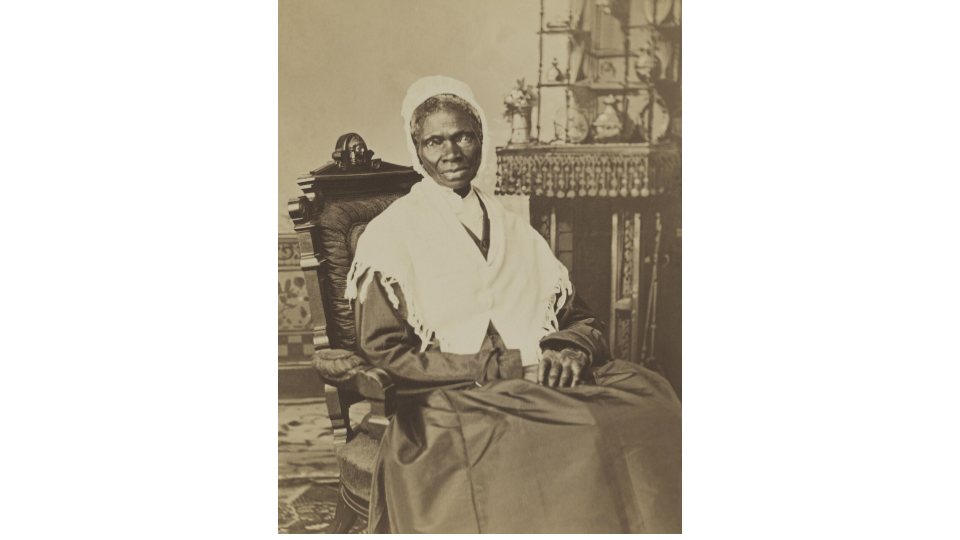
At only five years old, Isabella Bomfree entered the torturous cycle of the slave trade, leaving her wounded mentally and physically. With the passing of gradual emancipation laws, Black Americans felt conflicted in a country that promised eventual freedom but took no care into delivering it. After escaping slavery, she changed her name to Sojourner Truth to symbolize her emergence as an activist and abolitionist.
Although Truth did not have the resources to read or write, she refused to let that stop her from speaking unapologetically about the horrors she experienced while enslaved. Delivered at the Ohio Women’s Rights Convention of 1851, her landmark speech “Ain’t I a Woman?” is recognized as one of the first demands for intersectional rights in America. Her rhetorical question is repeated throughout the speech to emphasize the complete absence of Black involvement within the women’s rights movement
Not only did Truth provide a crucial piece of feminist history, but continued to be an activist for African-American civil rights throughout her life. As a pacifist, she believed the Civil War was a “fair punishment from God for the crime of slavery,” and was invited to the White House to meet President Abraham Lincoln.
Truth was clearly a woman who spoke uncensored about her concerns of intersectionality, segregation, and religious diversity. Now representations of Sojourner Truth are appreciated across the country. She defied all social barriers of the 19th century, being the first Black woman to win a lawsuit against a White slave owner to recover her son, fight segregation by riding in Whites-only streetcars, and be honored with a bust in the U.S. Capitol.
Nella Larsen (1891-1964)
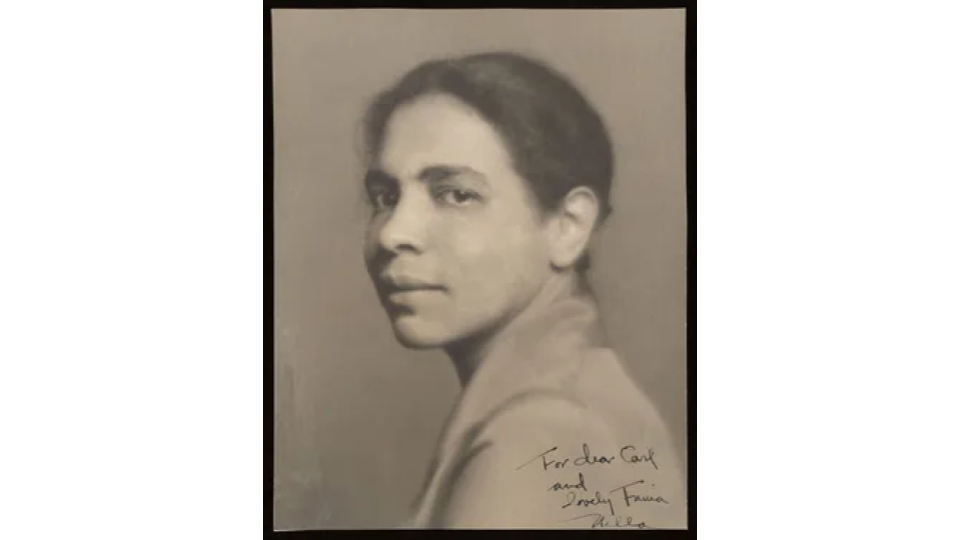
Working as a nurse and then a librarian in New York City, Nella Larsen found herself immersed in the visionary Harlem Renaissance. Nearly 175,000 African Americans flocked to Harlem during the Great Migration, all embodying the common experiences of escaping the Southern Jim Crow racial oppression that motivated them to create a new identity for themselves. Larsen quickly became ingrained in the artistic movement of the Harlem Renaissance which portrayed what it meant to be Black in America.
She published multiple short stories and two novels during this time. Her first novel, Quicksand (1928), was a semi-autobiographical exploration of the physiological effects that intersectional discrimination has on a person’s search for identity. Larsen then analyzed the complexities of presenting as a racially mixed person in Passing (1929), an experience she knew all too well as a daughter of a White mother and a Black father.
In 1930, Larsen received a Guggenheim fellowship – a prestigious grant awarded to artists and scholars – being the first African American woman to do so. After Larsen’s divorce from Elmar Imes, she returned to her career as a nurse. Leaving Harlem, she split ways with her circle of friends, including W.E.B. Du Bois and Langston Hughes.
Both of Nella Larsen’s works point attention to the overlooked anxieties that mixed-race women experience throughout their search for identity in a racially divided society. She continues to be a crucial voice in African American and women’s history.
Toni Morrison (1931-2019)
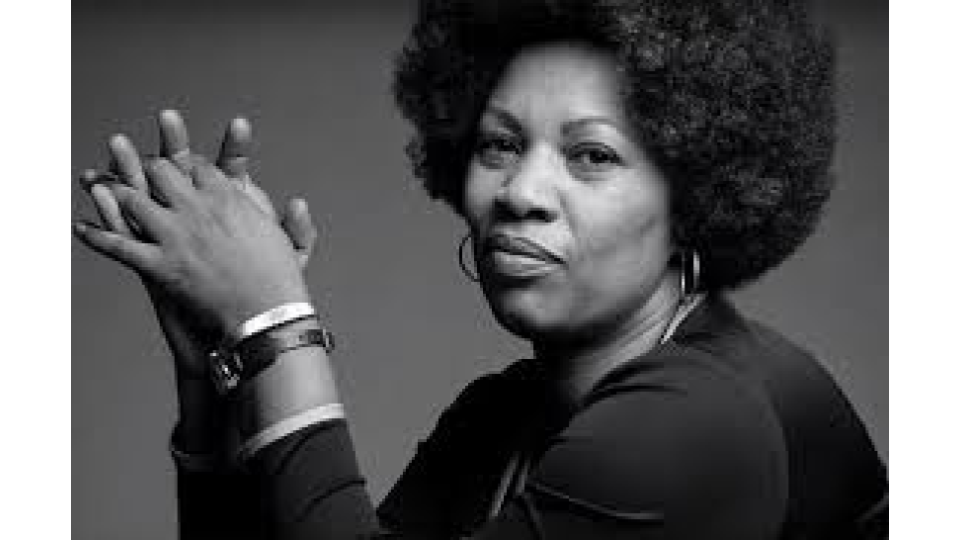
Born Chloe Anthony Wofford, Toni Morrison was surrounded by literature since her childhood. Her family was “intimate with the supernatural,” telling her stories based on African American myths, folklore, music, and religion. These ideas deeply influenced her philosophy on why she writes fiction: to remind people of their heritage, to instill morals, and to transfer knowledge. African Americans have used these same values in their oral storytelling for survival and resistance throughout history. In a country that prevented slaves from accessing any form of knowledge, native Africans kept their heritage alive through storytelling.
Toni Morrison observed this pattern in her heritage and sought to repeat it in her own unique way. After attending and teaching at Howard University, she published The Bluest Eye (1970) at 39 years old. Her debut novel tells the devastating story of a young Black girl who suffers from internalized racism, praying to possess society’s perception of beauty. Not until her third novel, Song of Solomon (1977), did she become a full-time writer with critical acclaim. But after her novel Beloved (1987), based on the true story of an enslaved woman in post-Civil War Ohio, Morrison was awarded the Pulitzer Prize for Fiction. Then, in 1993, she won the Nobel Prize in Literature, being the first African American woman to do so.
Morrison’s writing continued to be seen on film and in children’s books. Throughout her life, she never stopped inspiring, working as a professor in the Creative Writing Program at Princeton, and earning an honorary doctorate degree from the University of Oxford.
Her work continues to be a subject of discussion, as she was an author who, although “troubled by the dominant assumption of a White reader” at the time of publishing, had “made a point of not centering the White gaze.” Morrison grew to be an author who trusted her audience despite being revolutionary in a time of little African American literature. After her passing she continues to inspire young girls of color, as well as creatives who wish to instill values onto their audience with their work.