
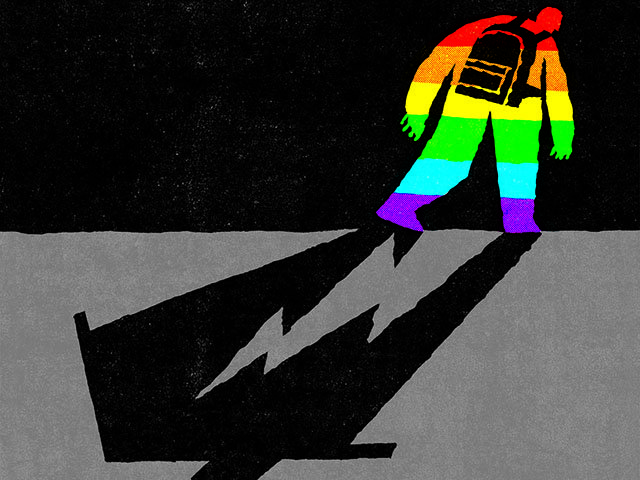
When walking along the streets of a densely populated city, seeing a young unhoused person struggling to access basic needs while sleeping on the pavement of a bustling area is an ordinary sight. In their vulnerable state, homeless youth often find it necessary to do whatever it takes to secure shelter, clothing, or food. Engaging in survival sex or experiencing exploitation may feel justifiable in exchange for receiving bare necessities of life, in the minds of adolescents living on the streets. Due to past experiences of emotional or physical abuse, many intentionally avoid homelessness services that they don’t trust. Ultimately, this makes it much harder for them to escape cycles of trauma and move onto a path of striving.
In the same city, a queer teenager is on a complicated journey of discovering who they are. As their parents start to suspect their child may be developing their gender identity or sexual orientation, the family may begin to stray away from being the safe and affirming space that they are meant to be. Whether it is the threat of being sent to a conversion therapy camp or being sprinkled with holy water, these acts of family rejection cause lesbian, gay, bisexual, transgender, queer & questioning (LGBTQ) youth to run away from home.
Subsequently, homophobic and transphobic treatment from parents sometimes results in the traumatic and life-harming experience of being homeless.
This reality is reflected in the story of Kevin Schmidt-Johnson. Growing up in a strict Catholic household and being forced to wear feminine clothing after coming out as a transgender man, he felt extremely neglected by his parents. At age 18, this unwelcoming space became unbearable, and he ran away from home in search of meaning on the streets of New York City. His parents made no attempt to contact him while he spent his nights sleeping on the subway or on the couches of various tense partners. He lived in homelessness for the next 12 years.
Schmidt-Johnson’s story is just one example of LGBTQ youth homelessness in America. His story proves that queer teenagers who do not have an adequate support system at home are often on a trajectory towards homelessness.
Every night 4.2 million youth, young adults, and young parent families experience homelessness across the United States, with LGBTQ youth making up 40% of that population. According to data by The Trevor Project, 28% of LGBTQ youth and 37% of transgender and gender diverse youth have experienced homelessness or housing instability at some point in their lives. Those who did had 3.5 times the rate of attempting suicide.
A justification as to why a parent may act in negligent ways towards their queer child is that their faith does not permit same-sex relationships or gender transition. However, should that be the conclusive argument as to why their young child could be vulnerable to the traumatic daily life of a homeless person? Taking all of the distressing depravities that occur during homelessness into consideration, should anything come between a parent and their child’s safety? Regardless of religious views or differing parenting styles, a parent’s goal should always be to provide a safe and secure environment for their child.